ClipTrend.ai Blog
AI Video Guides & Tutorials
Tutorials, model guides, and best practices for AI image-to-video and photo-to-video, from the ClipTrend.ai team.
Welcome to the ClipTrend AI video blog — practical AI video guides for turning a single photo into a finished clip. Each post breaks down a real workflow: which model to pick (Kling, Veo 3.1, Seedance 2, Sora 2, or Wan), how to write a prompt that holds up, and how to recreate the trending effects creators are posting on TikTok and YouTube Shorts. Whether you are comparing image-to-video engines, troubleshooting a render, or hunting for the next viral format, these AI video guides give you a tested, step-by-step path instead of guesswork.
AI Video Disclosure Checklist for Brand Posts
Use this AI video disclosure checklist for brand posts to decide what viewers need to know, where to say it, and what to retain for approval.

MiniMax H3 Image to Video: Test an End Frame
Test MiniMax H3 image to video with an end frame: a focused first render, a simple prompt, and a review method for reliable motion.
AI Video Editor Handoff Checklist: Prepare a Generated Clip
Hand a selected generated clip to an AI video editor with the approved version, intended trim, verified copy, and unresolved limits clearly recorded.
AI Kpop Dance Generator: Choose a Preset for a First Test
Run a more useful AI K-pop dance first test: keep the character fixed, select one preset, and review the completed vertical clip before changing the move.
Travel Photo to Video: Location Privacy Checklist Before You Share
Before sharing a travel photo turned into video, review metadata, landmarks, companions, timing, captions, and audience settings so a beautiful clip does not reveal more location context than you intended.
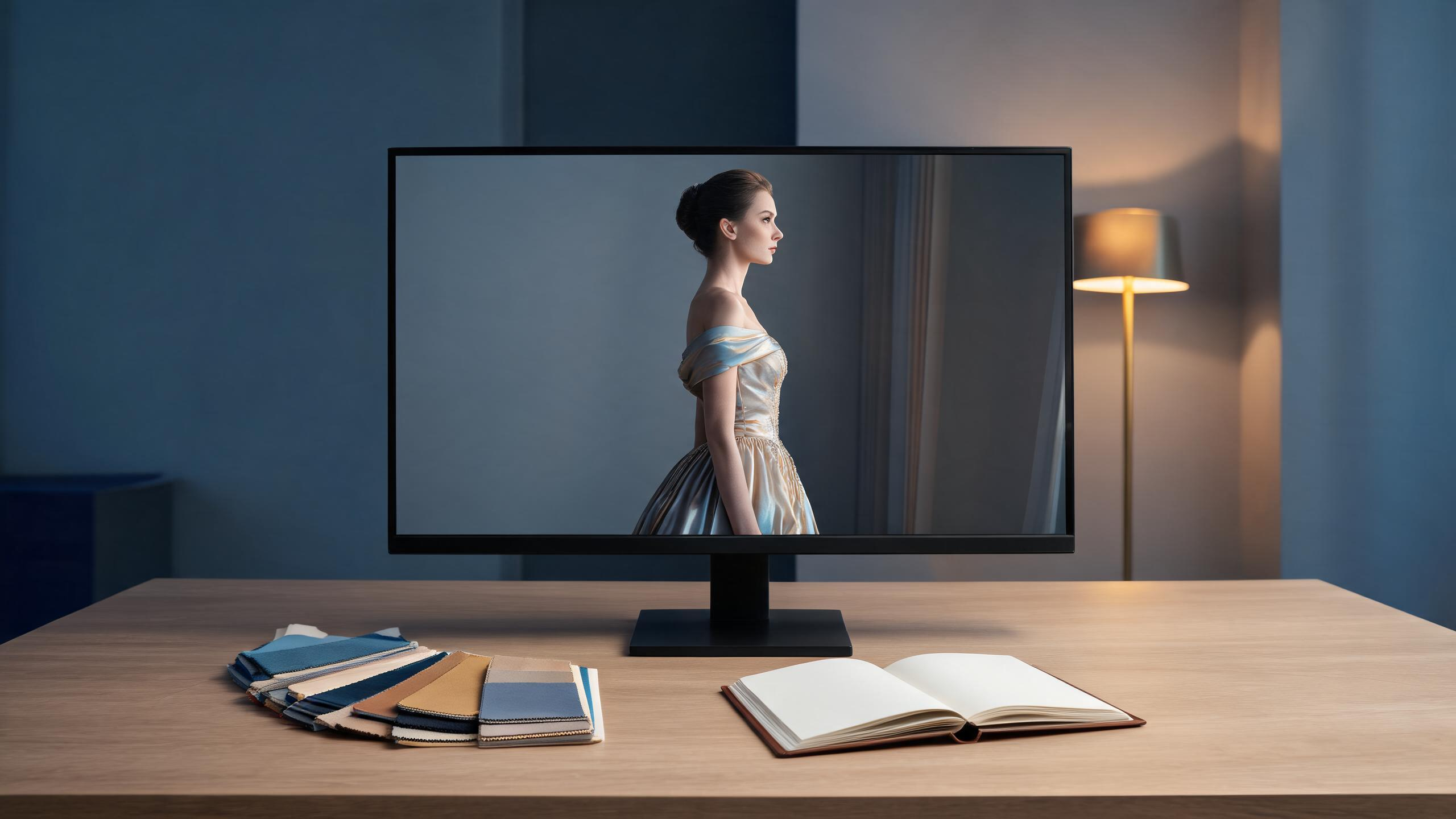
AI Prom Generator: A Careful First Test With an Adult Photo
Learn how to run a careful adult-only first test of an AI prom generator: choose a permitted photo, set a limited brief, review identity and outfit changes, and decide what is safe to share.

Old Photo to Video AI: A Family Review Checklist Before You Share
Use an old photo to video AI checklist to preserve the original, invite the right family reviewers, and share a memory clip without implying history it cannot show.
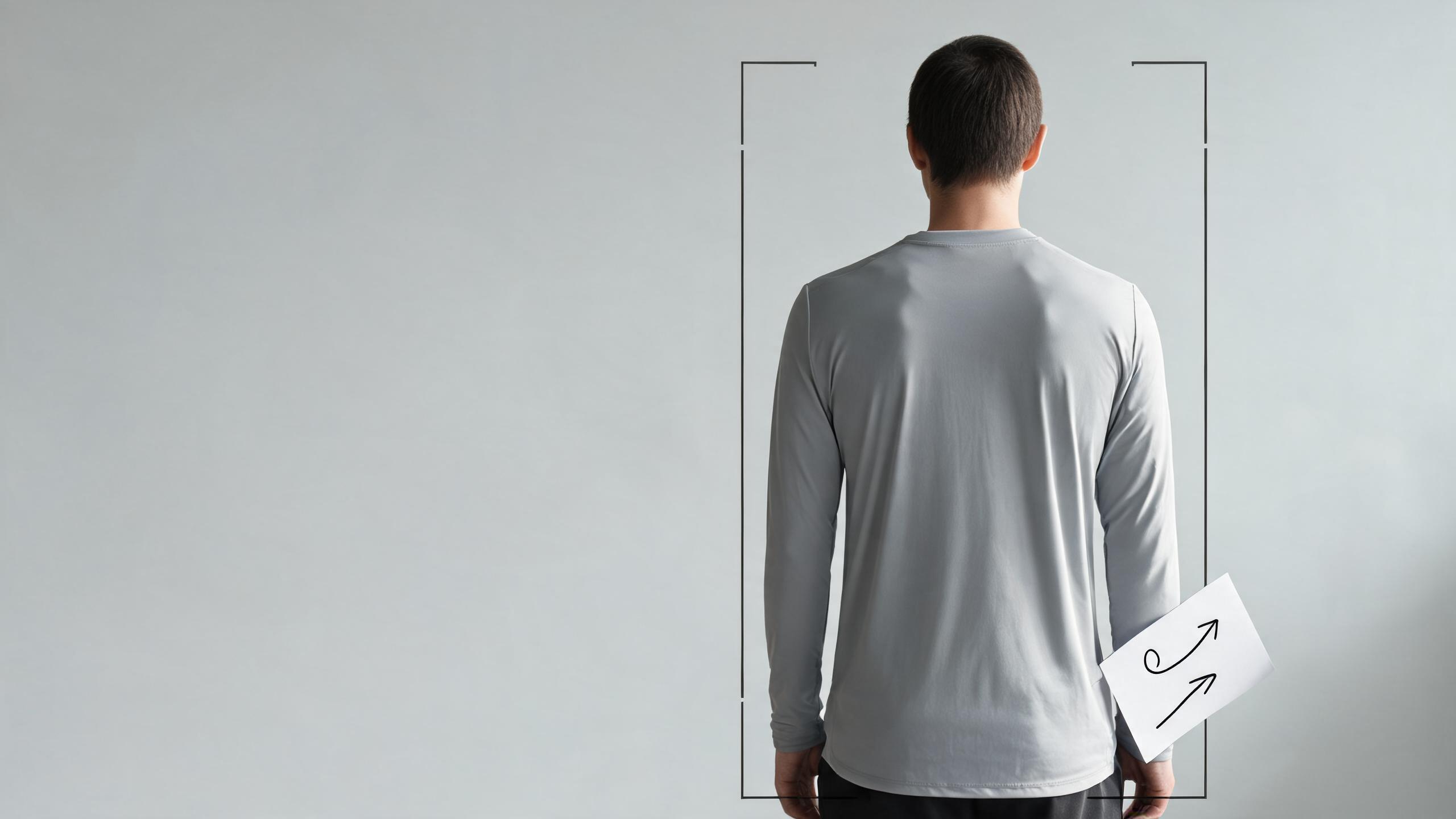
AI Workout Video Generator: A First Test From One Photo
Test an AI workout video generator from one photo with a small brief, careful source choice, and a practical review before you share.

Real Estate Photo-to-Video: Listing Accuracy Checklist
Review an AI-generated real estate photo-to-video clip against approved listing facts before you publish, advertise, or send it to a client.
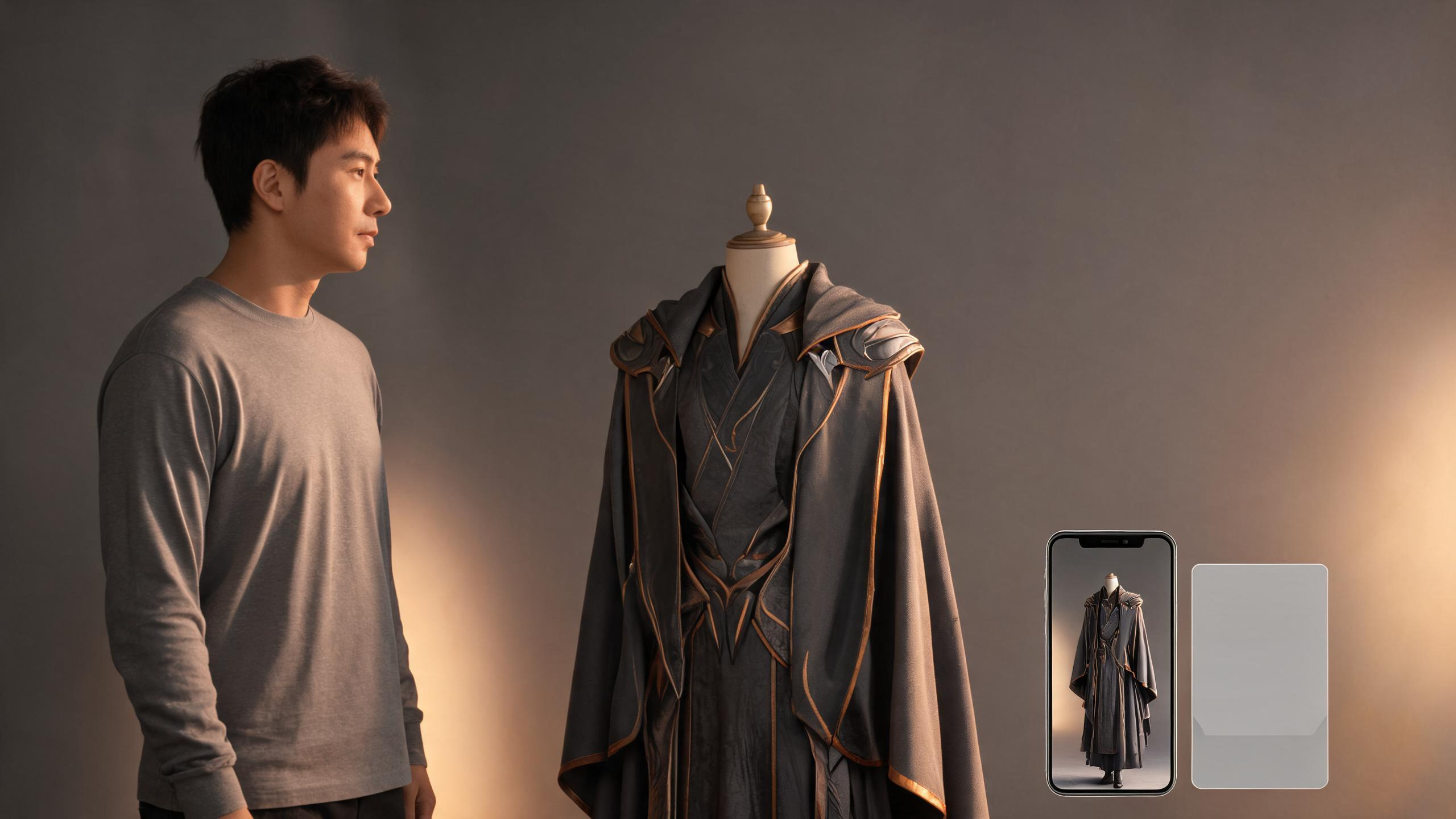
AI Costume Generator: A First-Test Checklist for a One-Photo Reveal
Test an AI costume generator with one clear photo, a simple costume brief, and a practical review checklist before you share the reveal.

AI Video Templates: When to Scale a Three-Post Test
Decide whether to scale, revise, archive, or retire an AI video template after three posts, using audience evidence, production review, permissions, and a documented next step.
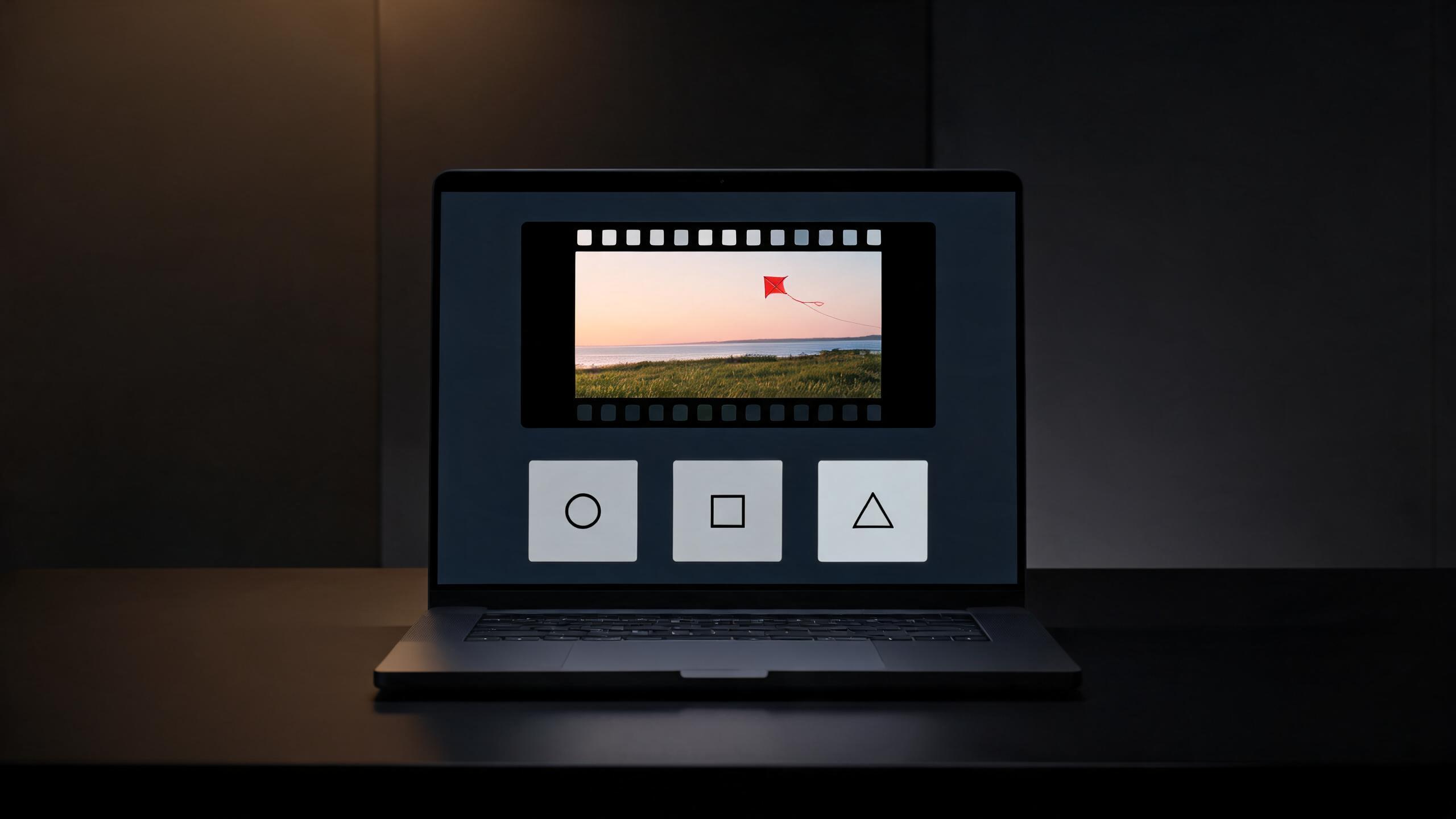
MiniMax H3 Text to Video: A Controlled First Test
Run a controlled MiniMax H3 text-to-video first test: choose one brief, set a review rule, compare only what changed, and decide whether another test is justified.

GPT Image 2.5 Text to Image: A Controlled First Test
Run a controlled GPT Image 2.5 text-to-image first test in ClipTrend: choose a destination, brief one scene, review the result, and decide the next step.
TikTok AI Video Template Series: Plan Three Posts
Plan a three-post TikTok AI video template series without copying a trend: assign distinct roles, protect permissions, review each output, and use a clear stop rule.
AI Video Template Revision Brief: Fix One Rejected Render at a Time
Turn a rejected AI video template render into one clear revision brief: isolate the defect, protect approved inputs, test one change, and decide when to stop.
GPT Image 2.5 AI Photo Editor: First Test With Reference Images
Make a controlled first GPT Image 2.5 edit in ClipTrend: assign reference-image roles, choose an output setting, and review what changed before another pass.
AI Video Effects vs. AI Video Editor: Choose a Template or a Source-Video Rewrite
Choose AI video effects for a repeatable visual treatment, or an AI video editor when a usable source clip needs one controlled rewrite.
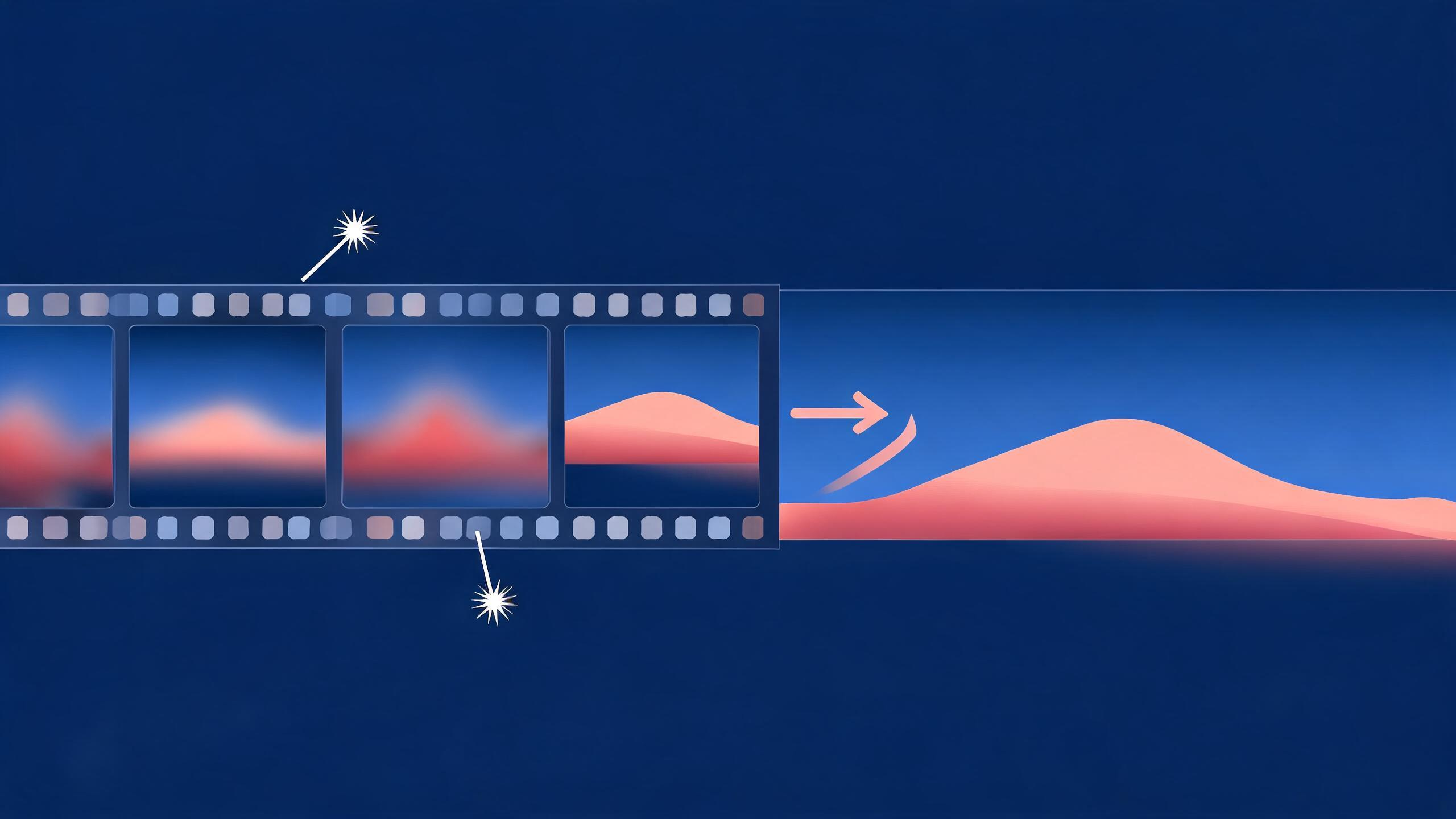
AI Video Last-Frame Handoff: Prepare the Next Shot Without Losing Continuity
Turn an approved AI-video ending into a practical next-shot brief: select the usable frame, record visual anchors, and reject continuity drift before assembly.
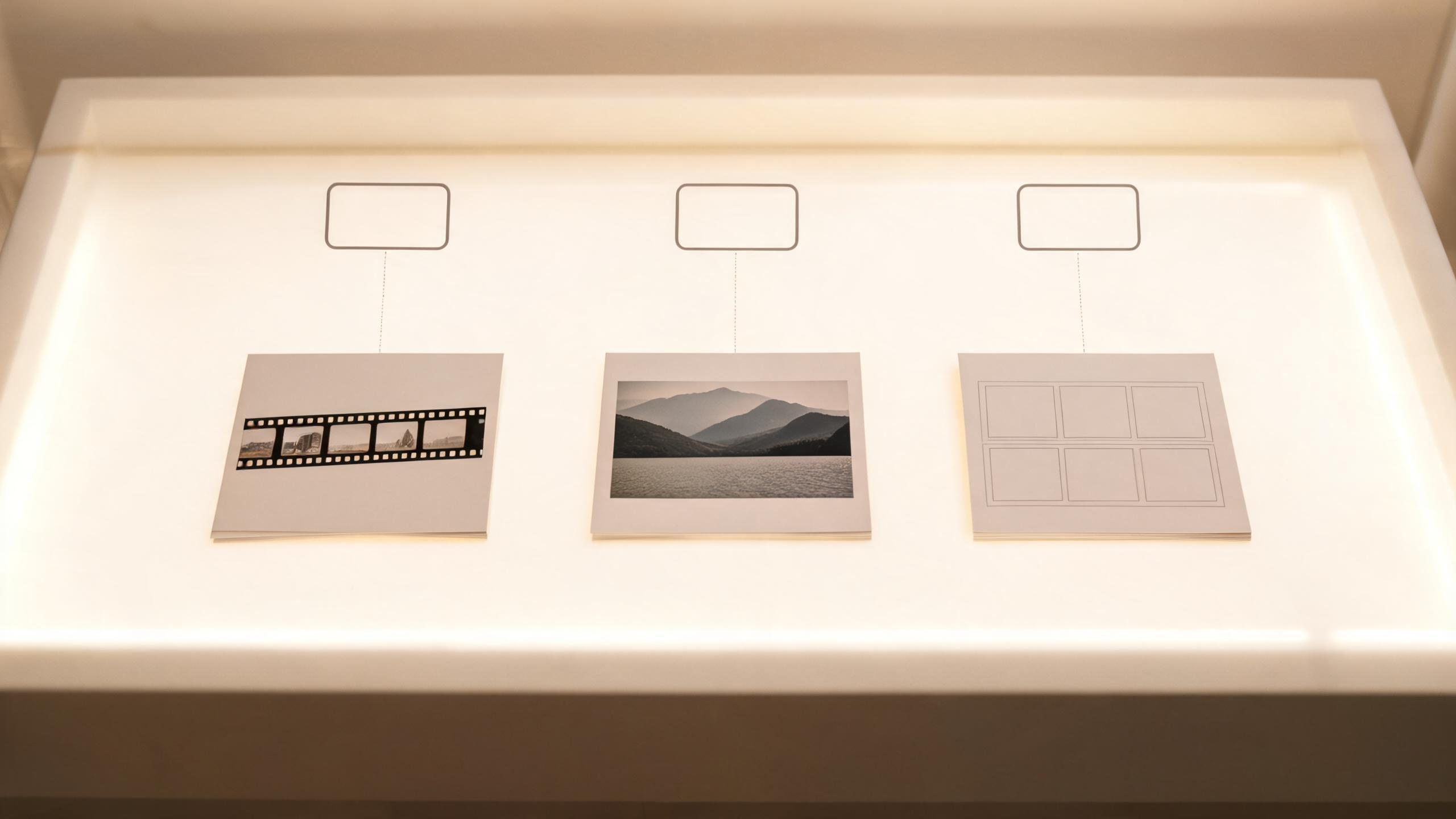
AI Video Editor vs. AI Video Generator: Pick From Your Starting Asset
Choose an AI video editor, image-to-video tool, or text-to-video generator from the asset you have and the control you need.
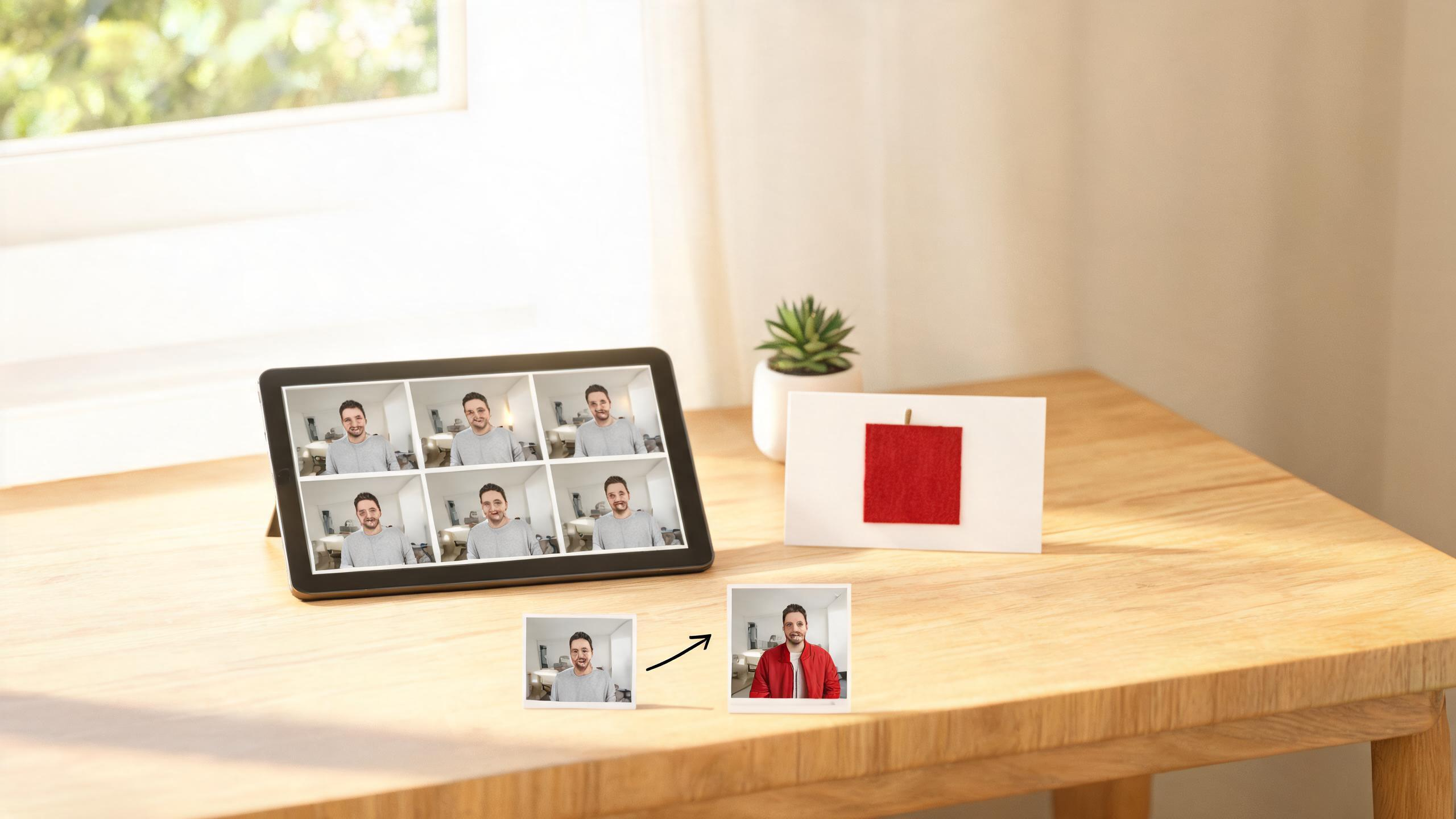
Photo-to-Video AI Editing: Fix a Generated Clip One Change at a Time
Repair a generated video with one prompt-guided change at a time. Learn what to preserve, what to test, and when to start over.
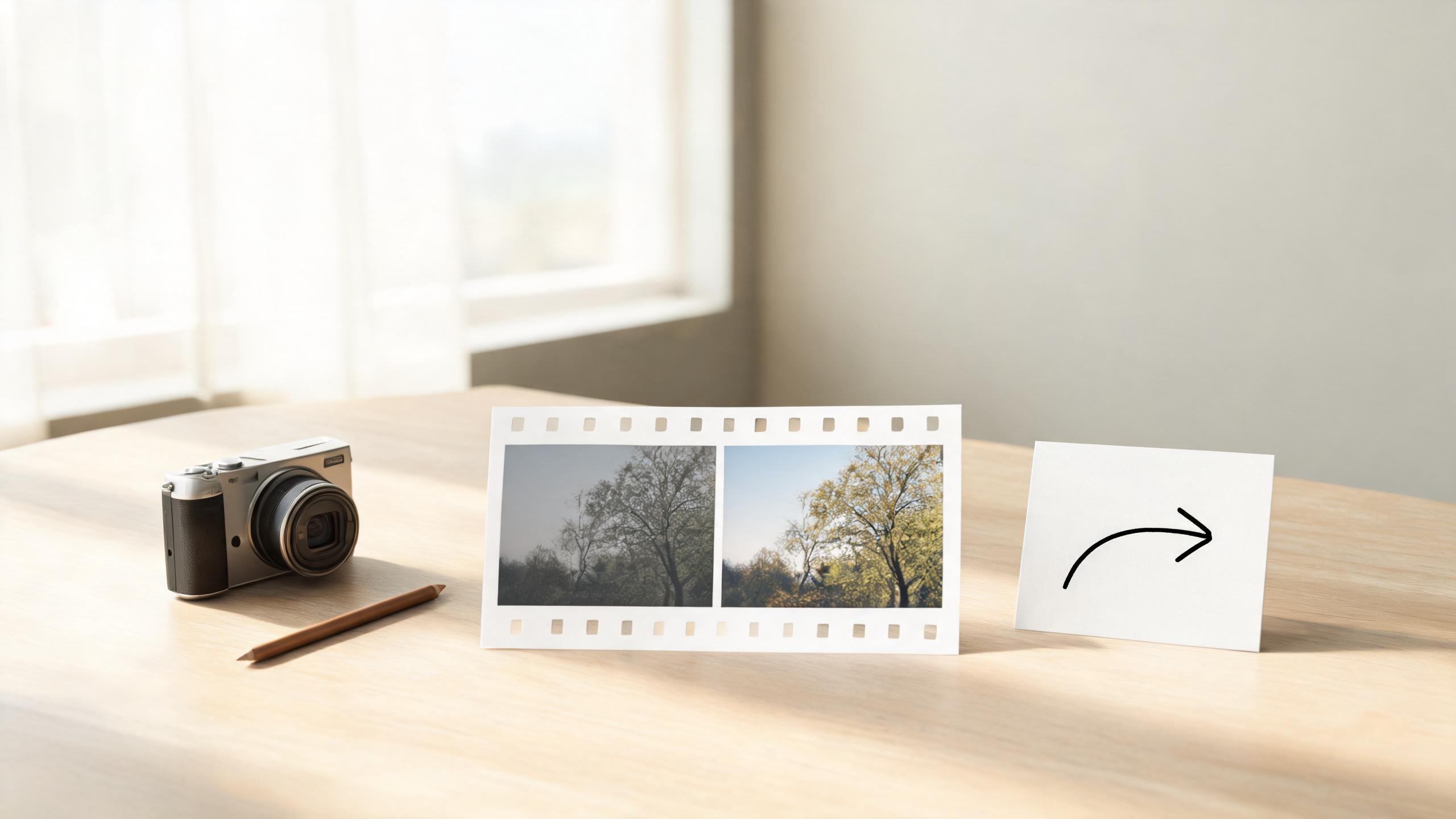
AI Photo Editor to Video: Edit a Still Before You Animate
Decide when to edit a photo before animation, preserve a baseline, make one controlled change, and hand the still to AI image-to-video.
AI Background Remover: Make a Transparent PNG From a Photo
Remove a photo background, inspect the cutout, and export a transparent PNG with a practical ClipTrend review workflow.

Best AI Photo-to-Video Generator: A Practical Comparison Checklist
Find the best AI photo-to-video generator for your job by running a comparable first test and judging source fidelity, motion, output needs, and editability.

Free GIF Maker: Turn Videos and Images Into Shareable GIFs
Turn a short video or a small image sequence into a focused GIF. Learn the ClipTrend workflow, export limits, and a practical review pass.

Free AI Image Generator: Create Images From Text or a Reference
Learn how to make a useful first image from a text prompt or optional reference, choose a shape and detail level, and review it before use.

AI Video Template Export Checklist for Shorts, Reels, and TikTok
Review an AI video template render, preserve a clean master, make sensible vertical variants, and approve exports before you upload.
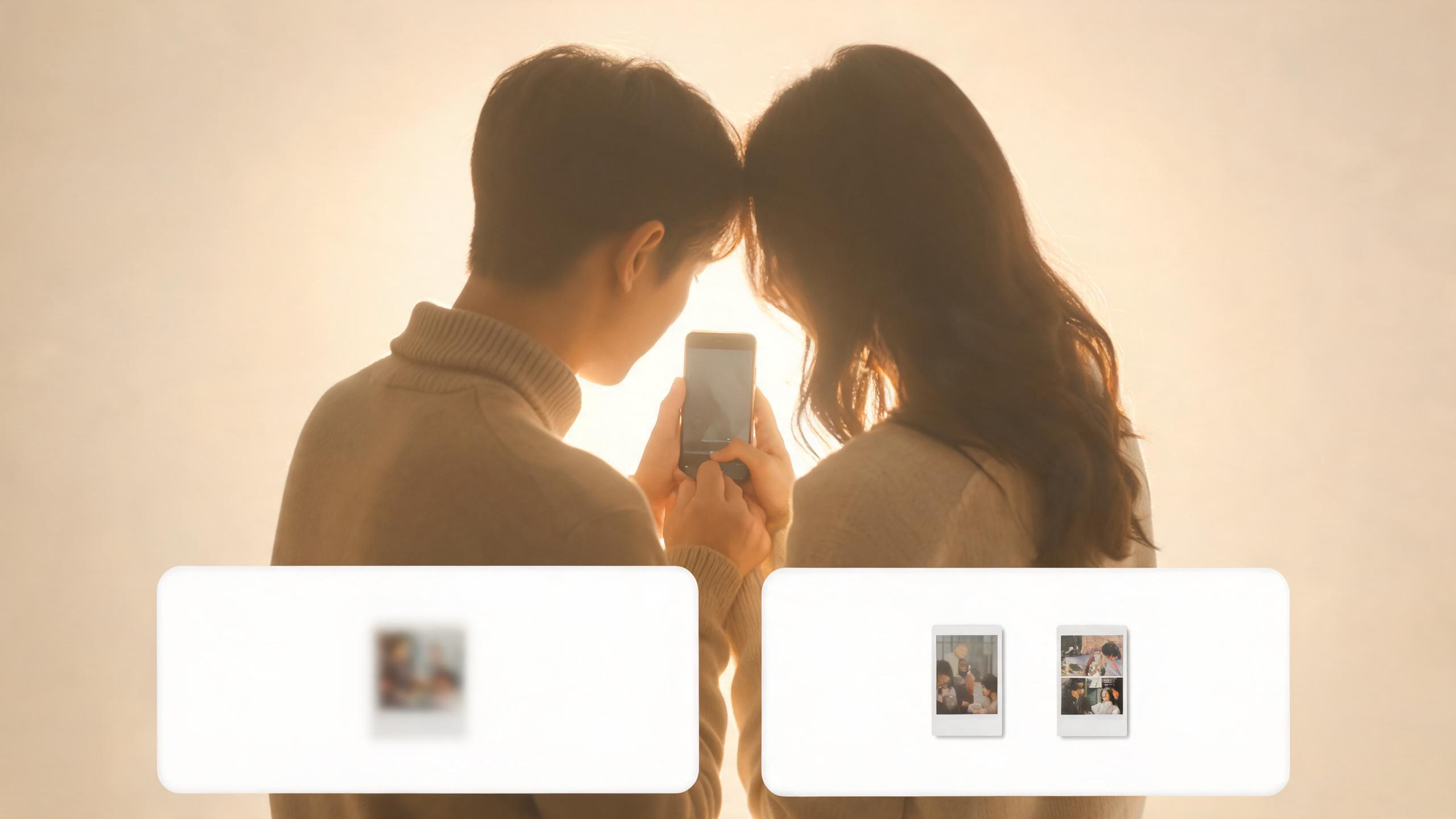
AI French Kiss Video: Choose the Right Quality Mode
Choose the right AI French Kiss video workflow: one or two photos, Standard or High Quality, plus a careful review before sharing.

AI Video Template Brief: A Team Handoff Checklist
Hand off an AI video template project without guesswork: document the approved source, template, constraints, reviewer, output checks, and publishing limits.

Kling AI Photo to Video: A First-Test Workflow
Test Kling AI photo-to-video with one permitted still, one modest motion, and a practical review checklist before you spend time or credits on variations.
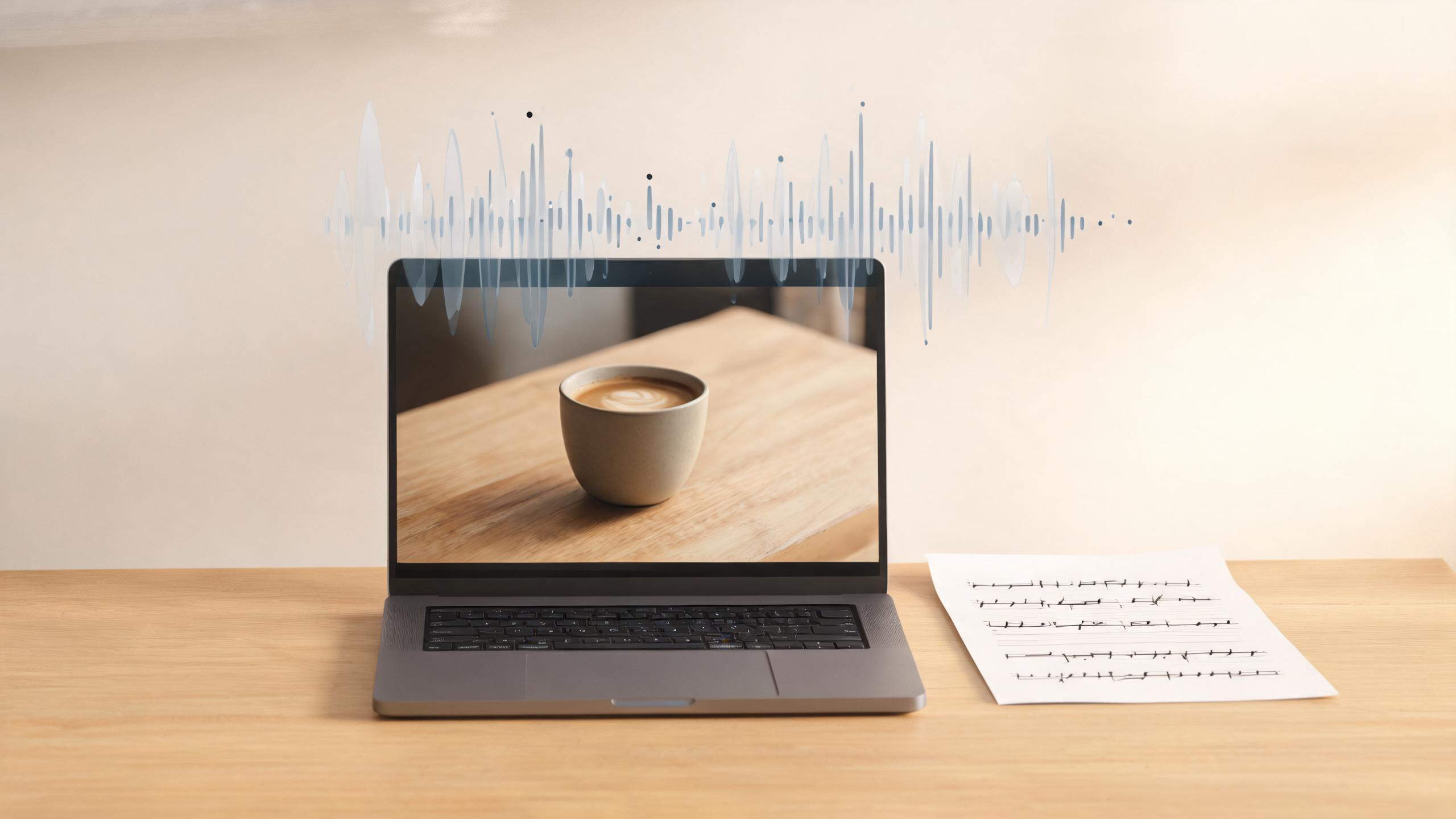
Add Sound Effects to Video With AI: A First-Test Guide
Add sound effects to video with AI by planning one audible event, testing a short clip, and reviewing sync, clarity, and rights before you publish.