Character Swap Video Consent Checklist for Creators
Before publishing a character swap video, confirm that every recognizable person, the source footage, and the proposed new context are authorized. A signed “yes” to filming is not automatically permission to make an AI-altered version, use it in an ad, or post it to every platform. The safest choice is to use your own likeness, a fictional character, or a project with written, specific approvals.
This is a production checklist, not legal advice. Rights of publicity, privacy, copyright, labor agreements, and platform rules vary by place and project. If the video will be commercial, political, intimate, sensitive, or widely distributed, have qualified counsel review the release before you generate or publish.
What this checklist is for
This checklist is for a creator, producer, or brand reviewer deciding whether a character-swapped video can move from an internal test to public release. It is intentionally different from our guide to how character swap AI video works. That guide explains creative preparation and quality review; this page is a go/no-go record for permissions, scope, disclosure, and response planning.
The practical rule is simple: do not assume that access to a photo, clip, profile, or old release equals permission to create a new synthetic performance. For covered performers, SAG-AFTRA describes informed consent as clear and conspicuous, with a reasonably specific intended use; its guidance also says a producer cannot obtain blanket consent for a digital replica. Those materials are useful production benchmarks, even when a particular project is not covered by a SAG-AFTRA agreement.
Start with the lowest-risk creative route
Choose a route that minimizes identity risk before opening a generation tool.
| Proposed input | Publication posture | What to record |
|---|---|---|
| Your own current performance | Usually the simplest route | Your ownership, intended channels, and any collaborators’ approvals |
| Original fictional character or brand mascot | Strong option when no real likeness is needed | Asset ownership and any artist or client license |
| Consenting adult talent | Review before use | A written, specific release covering the altered output and distribution |
| Licensed stock footage | Do not assume it is enough | The license terms and whether synthetic alteration is permitted |
| Public figure, private person, child, or protected character | Stop and escalate | Do not proceed without clear rights and specialist review |
If a real person's identity is not needed, use an original character instead. ClipTrend's character swap workflow is better suited to fictional, stylized, and mascot-led concepts than to trying to make a real person appear to say or do something new.
The pre-generation consent check
Create a short project record before copying source files into the workspace. It should identify the source and target materials, who approved them, and the exact planned output. A clear record prevents a familiar problem: the person approved a portrait session or a skit, but never approved an altered performance, a brand endorsement, or a new audience.
- Name the people shown or heard. Include the source identity, the performer whose body or motion remains, and anyone recognizable in the background. Do not overlook a voice, reflection, screen, or bystander.
- Identify the assets. Record the original filename or asset ID, where it came from, and who owns or licensed it. Keep the release with the file, not only in a chat thread.
- Describe the swap plainly. State what will change: face, character, clothing, dialogue, setting, voice, or style. “AI use allowed” is too vague for a meaningful project review.
- State the context. A parody, tutorial, internal test, organic social post, paid ad, product claim, and political message are different uses. A change in context can change the approval decision.
- Set a distribution boundary. Record the platforms, territories, languages, paid versus organic use, start date, and end date. Do not quietly expand to a new campaign later.
- Confirm who can approve publication. Name one owner for the final go/no-go decision and one person who can pull the asset if a concern is raised.
SAG-AFTRA's digital-replica materials emphasize consent that is specific about intended use and require new consent when a covered use goes beyond the original description. Your project may have different legal requirements, but this is a sound operational reason to treat a new campaign or altered message as a new review—not an automatic reuse.
Check the meaning of the finished scene, not just the inputs
Two cleared inputs can still create an uncleared message together. A character swap may imply a relationship, endorsement, conflict, claim, or behavior that neither person agreed to. Review the composite as an audience will see it.
Ask these questions before generation:
- Does the edit make a real person appear to make a claim, take an action, or support a brand they did not approve?
- Does it place anyone in a sexual, humiliating, illegal, medical, financial, political, or otherwise sensitive context?
- Could an ordinary viewer reasonably mistake the synthetic performance for authentic footage?
- Does the project involve a minor or an age-ambiguous subject in an adult context? If yes, stop rather than trying to prompt around the risk.
- Are music, visible logos, artwork, locations, scripts, and third-party footage separately cleared?
If any answer is unclear, keep the output private and get a decision from the rights holder or qualified advisor. “It is only a test” is not a safe reason to upload a recognizable person's likeness to a public tool or share it in a team channel.
Build disclosure and provenance into the release plan
Disclosure is not a substitute for permission, but it can make an authorized synthetic edit less misleading. Decide what a viewer needs to know and where that information will appear: in the caption, on-screen copy, an end card, a campaign landing page, or a client handoff.
The Coalition for Content Provenance and Authenticity explains that Content Credentials can record AI-related disclosures and editing actions in signed manifests. They are useful when your tools and distribution path support them, but they do not prove that every underlying right was cleared. Keep the release record and the provenance record as separate project materials.
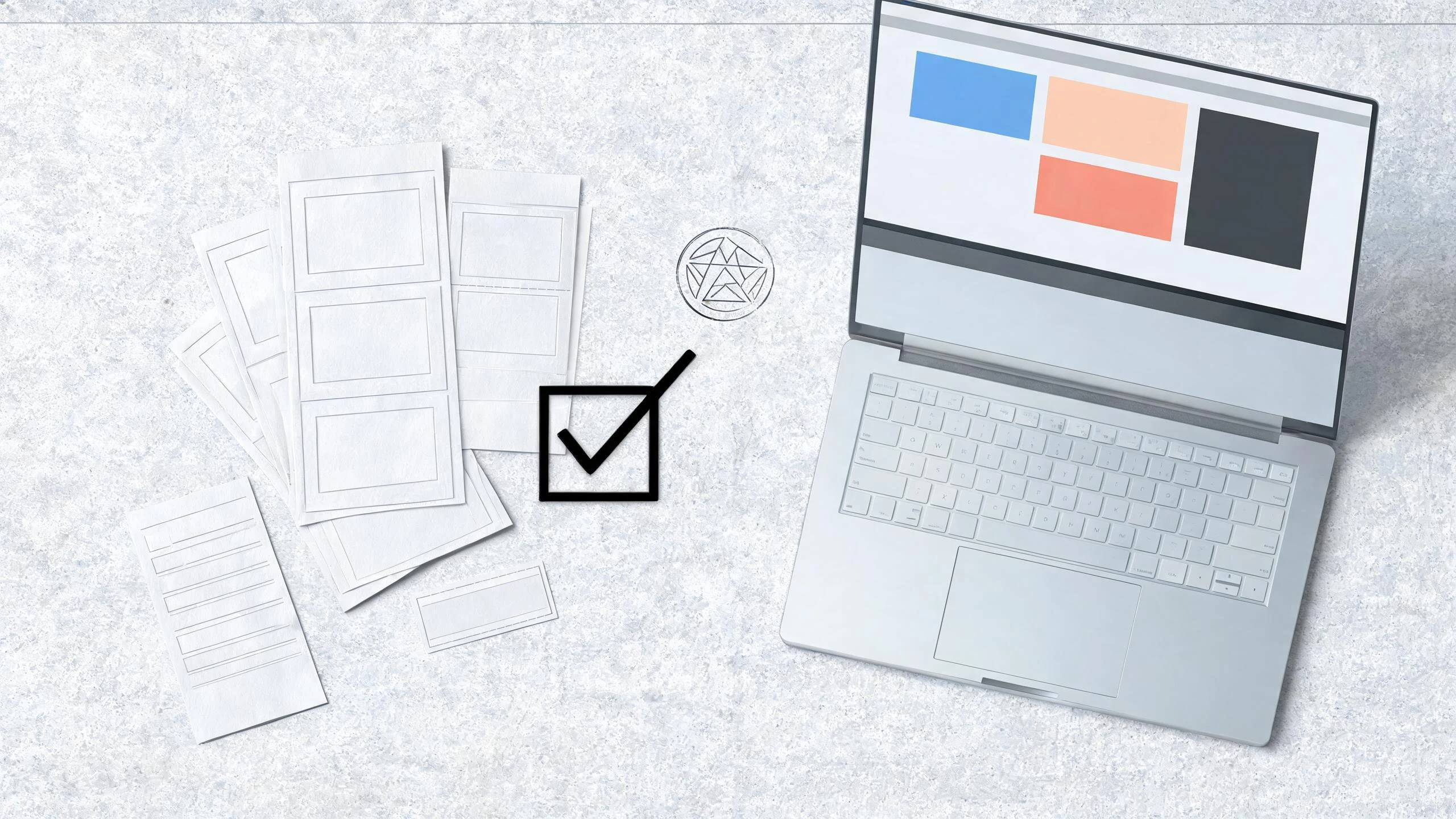
A release record, asset list, and final-review owner make the publication decision easier to audit later.
For public video platforms, also make a response plan. YouTube says eligible creators can use its likeness-detection feature to review certain altered or AI-generated uses of their face and decide whether to request removal. Availability and remedies vary, so do not treat a reporting tool as a substitute for getting permission first.
Run the final publication review
Do this after generation, because the actual output can introduce problems that were not obvious in the prompt or source files.
- Watch the full clip at normal speed and pause on turns, reflections, screens, and background faces.
- Confirm that the final identity, scene, dialogue, and claim match the documented approval.
- Verify that the result does not accidentally resemble an uninvolved public figure or protected character.
- Add the planned disclosure wherever the campaign brief requires it.
- Save the final file version, prompt summary, approvals, output link, publication date, and takedown contact together.
- If the content changes materially after approval—new product claim, platform, language, edit, or audience—route it back for review.
This review supports creative quality too. The existing AI face swap safety guide explains when a fictional or stylized character workflow is a cleaner alternative. For a motion-first project, our AI video templates can help you start from a known scene pattern while keeping the character concept original.
A compact handoff template
For a small team, this one-page record is often enough to make a decision traceable:
| Field | Minimum answer |
|---|---|
| Project and owner | Campaign or post name; final approver |
| Input assets | Source IDs, owners, licenses, and visible people |
| Proposed alteration | What will be changed and what will remain |
| Approved context | Message, channels, markets, dates, paid/organic status |
| Disclosure | Exact label and placement, if needed |
| Final review | Output version, reviewer, date, and result |
| Response plan | Contact, removal owner, and where records are stored |
Do not copy this template into a release and call it consent. The signed or otherwise valid approval must come from the people and rights holders who can actually grant it. The template only makes the scope visible to the production team.
FAQ
Is consent to be filmed enough for a character swap video?
Not necessarily. Filming permission may not cover an AI-altered performance, a new message, commercial distribution, or a different platform. Review the actual release and get a specific approval when the planned use goes beyond it.
Can I use a public social-media clip for a character swap?
No. Public availability is not the same as permission to reuse footage or a person's likeness. Use original assets, properly licensed material whose terms allow the intended alteration, or direct written permission.
Should every AI-altered video carry a disclosure?
Disclosure rules depend on the platform, audience, and use. Plan it before publication, especially where viewers could mistake a synthetic performance for authentic footage. Disclosure still does not replace permission or other rights clearance.
What should I do if the final output changes the approved meaning?
Do not publish it. Save the output privately, explain the change to the approver, and request a fresh decision. If you cannot obtain that decision, generate a new original-character concept instead.
Bottom line
Character swap is a creative workflow, not a shortcut around consent. Use original characters whenever possible; when a real person appears, document specific permission, check the final meaning, plan disclosure, and keep a practical takedown path. That gives creators a clearer release decision and a better foundation for responsible public work.